

The Importance of Human Rights Defense in Modern Society
Human rights defense serves as the backbone of a just society, advocating for the rights and freedoms of individuals across the globe. With increasing instances of oppression and injustice, the role of Human Rights Defense civil rights lawyers and organizations dedicated to human rights has never been more critical. This article delves into the various aspects of human rights defense, highlighting its significance, challenges, and the collective efforts needed to promote equity and justice for every human being.
Understanding Human Rights
Human rights are fundamental rights and freedoms that all people are entitled to, regardless of nationality, sex, ethnicity, religion, or any other status. These rights are inherently universal and are often enshrined in international law and treaties, such as the Universal Declaration of Human Rights (UDHR), adopted by the United Nations General Assembly in 1948. The UDHR outlines the basic rights that should be protected for every individual, establishing a common standard of achievement for all nations.
The Role of Human Rights Defense
Human rights defense involves various strategies and actions aimed at protecting individuals from violations of their rights. This includes legal representation, advocacy, and awareness-raising campaigns to educate the public and officials about human rights issues. Lawyers who specialize in civil rights law play a vital role in this process, using the legal system to challenge unjust laws and practices, representing marginalized populations, and seeking remedies for human rights violations.
Key Areas of Focus in Human Rights Defense
Human rights defense can be categorized into several key areas, which include:
1. Legal Advocacy
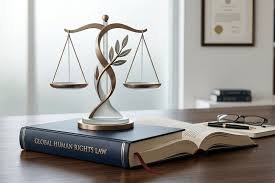
Legal advocacy is at the forefront of human rights defense, as it directly addresses violations through the legal system. Human rights lawyers work within domestic and international frameworks to hold accountable those who infringe upon rights. This may involve litigating cases related to unlawful detentions, discriminatory practices, and other forms of injustice.
2. Policy Reform
Advocacy for policy reform plays an essential role in creating long-lasting change. Human rights defenders engage with lawmakers to promote laws and policies that protect and uphold human rights standards. This can involve lobbying for the ratification of international treaties or challenging legislative measures that may infringe on civil liberties.
3. Public Awareness Campaigns
Awareness campaigns are essential in educating the public about human rights issues and mobilizing support for victims of abuse. These campaigns often utilize social media, public demonstrations, and informational resources to highlight injustices and encourage community involvement in defending human rights.
4. Monitoring and Reporting
Human rights organizations play a critical role in monitoring human rights conditions and documenting violations. This monitoring allows for the collection of evidence that can support legal actions and advocacy efforts. Reports produced by these organizations can also inform public opinion and compel governments to take action.
Challenges Faced by Human Rights Defenders
Despite the vital work carried out by human rights defenders, they often face significant challenges. These can include governmental pushback, threats to personal safety, limited resources, and public apathy. In many countries, those who advocate for human rights may be subjected to harassment, imprisonment, or worse. As a result, international solidarity and protection mechanisms are crucial for supporting these brave individuals.
The Importance of International Cooperation
Human rights issues are not confined by borders; therefore, international cooperation is essential in promoting and defending human rights globally. Organizations such as the United Nations play a pivotal role in facilitating dialogue and cooperation among nations. Multilateral treaties and agreements help establish universal standards that nations can be held accountable to. Moreover, transnational advocacy networks enable human rights defenders to share resources, knowledge, and strategies to combat oppression on a global scale.
Conclusion
In conclusion, human rights defense is a crucial aspect of maintaining a just and equitable society. It requires dedicated individuals, organizations, and legal experts to challenge injustices and advocate for those whose rights are under threat. By understanding the significance of human rights and supporting defenders who tirelessly work to uphold these principles, we can contribute to building a world where dignity, respect, and justice are a reality for all. The collective efforts in human rights defense continue to inspire change and foster a culture of accountability, ensuring that the rights of individuals are recognized and protected across the globe.