
Torrenting in the UAE: Risks, Penalties, and Best Practices
Torrenting has become a popular method for sharing and downloading files online, but in the United Arab Emirates (UAE), it comes with its unique set of challenges and legal implications. The UAE is known for its strict laws surrounding internet use, and torrenting is no exception. In this article, we will explore the risks involved with torrenting in the UAE, the potential penalties for violation of these laws, and some best practices for those who wish to partake in file-sharing activities. For a more detailed analysis of penalties and risks, check out this resource: torrenting in UAE https://streetouterwears.com/pages/torrenting-in-uae-penalties-and-risks.html.
Understanding Torrenting
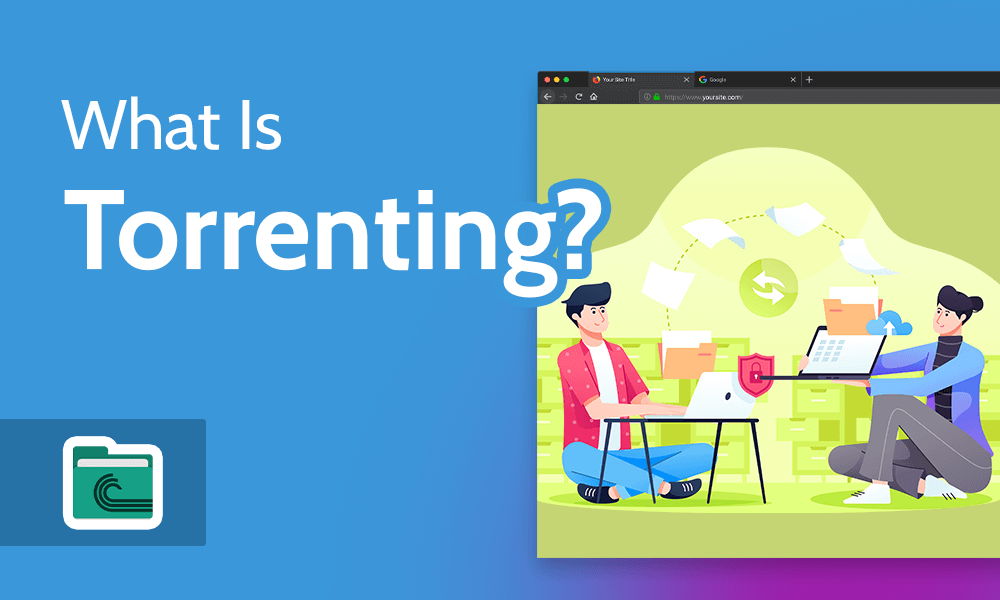
Torrenting is a method of downloading or sharing files using a peer-to-peer (P2P) file-sharing network. Unlike traditional downloads from a server, torrenting allows users to download pieces of a file from multiple sources simultaneously, which can significantly increase download speeds. This method is often used for sharing large files, such as movies, software, and music. However, it is essential to understand that the legality of torrenting largely depends on the content being shared.
Legal Landscape of Torrenting in the UAE
The UAE has some of the most stringent laws regarding intellectual property and copyright infringement in the world. The Telecommunications Regulatory Authority (TRA) actively monitors internet activity to prevent illegal downloads and distribute copyrighted material without consent. As a result, torrenting in the UAE is fraught with legal risks, especially for those who engage in downloading or sharing copyrighted content.
Copyright Laws
Copyright laws in the UAE align closely with international standards, protecting the works of creators, artists, and inventors. The UAE Federal Law No. 7 of 2002 on Copyrights and Related Rights asserts that any reproduction or distribution of copyrighted materials without proper authorization may result in severe penalties. Hence, individuals who engage in torrenting without considering copyright laws risk facing legal action.
Potential Penalties for Torrenting
If caught torrenting copyrighted material in the UAE, individuals could face significant penalties ranging from fines to imprisonment. The TRA has the authority to impose fines of up to AED 500,000 (approximately $136,000) for violating copyright laws, and users could also face a jail term of up to two years, depending on the severity of the offense. Moreover, ISPs are required to disclose the identity of users involved in illegal activities, making it easier for authorities to pursue legal action against individuals.
Risks Associated with Torrenting
While legal repercussions are a significant concern, there are additional risks associated with torrenting in the UAE:

- Cybersecurity Threats: Torrent files can often harbor malware or malicious software that puts users’ devices and personal data at risk.
- Privacy Issues: When torrenting, users’ IP addresses are exposed to other users in the network, which can make them vulnerable to spying and tracking.
- ISP Monitoring: Internet Service Providers (ISPs) in the UAE monitor internet traffic closely, making it likely that illegal torrenting activity will be flagged, leading to potential consequences.
