
The intriguing journey of gambling through history
The Origins of Gambling
The journey of gambling dates back thousands of years, with its origins rooted in ancient civilizations. Archaeological findings suggest that the earliest forms of gambling emerged in China around 2300 B.C., where rudimentary games of chance were played using tiles and other materials. Similarly, ancient Egyptians engaged in games resembling modern-day betting activities, showcasing humanity’s long-standing fascination with chance and risk. As you consider exploring this fascinating world, many enthusiasts are drawn to the instant withdrawal casino options available today that enhance the experience.
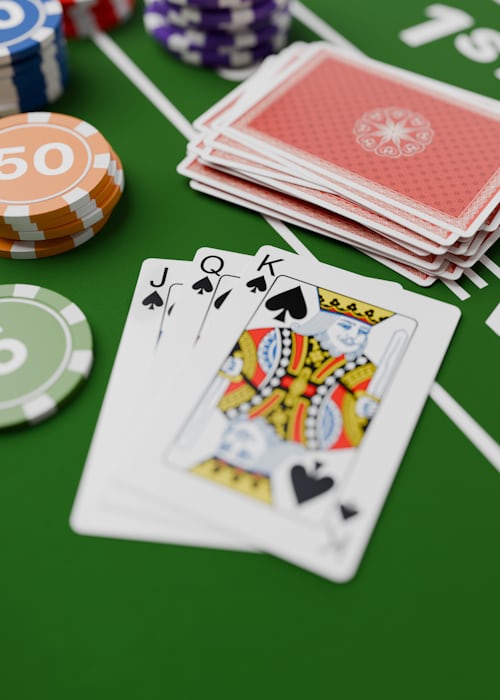
As civilizations evolved, so did gambling. The Romans incorporated gambling into their cultural practices, famously using dice in various games. This integration of gambling into social activities reflected not only the desire for entertainment but also the psychological allure of uncertainty and risk-taking that continues to captivate individuals today.
The Evolution Through the Middle Ages
The Middle Ages marked a transformative period for gambling, as it became more structured and formalized. The introduction of gambling houses in Europe created spaces dedicated to gaming, allowing individuals to partake in various forms of bets and games. This period also saw the rise of card games, which became popular among the nobility, further entrenching gambling as a leisure activity.
During this time, laws and regulations began to emerge, reflecting society’s complex relationship with gambling. While some viewed it as a vice, others recognized its potential for economic stimulation. This duality in perception set the stage for the intricate legal frameworks that would later govern gambling practices in many societies.
The Rise of Modern Gambling
The 19th century heralded a new era for gambling, with the establishment of casinos in Europe and the United States. The introduction of state-sanctioned lotteries and horse racing betting marked the transition to more organized forms of gambling. This period was characterized by an explosion of gaming options and the birth of iconic games like poker, which became a staple in American culture.
The psychological aspects of gambling also became more pronounced during this time. As gaming became more accessible, understanding the motivations behind gambling behavior became crucial. The thrill of winning and the emotional rollercoaster of risk and reward began to draw in not just gamblers but psychologists seeking to understand this powerful human impulse.
The Digital Age of Gambling
With the advent of the internet, the gambling landscape underwent a significant transformation. Online casinos emerged in the late 1990s, providing unprecedented access to a wide variety of games from the comfort of one’s home. This digital shift not only expanded the reach of gambling but also altered the psychological dynamics at play, as players could now gamble anonymously and at any time.
The rise of mobile technology further propelled online gambling, allowing individuals to engage in betting activities on-the-go. This convenience attracted a broader audience, including younger generations who grew up in a digital era. As a result, understanding the psychology of gambling in a digital context has become increasingly important, with many studies focusing on addiction and responsible gaming practices.

Exploring Modern Gambling Resources
In today’s fast-paced world, finding reliable resources for gambling activities is essential. With numerous online platforms available, players can explore a variety of options tailored to their preferences. Comprehensive reviews and guides offer insights into game selections, bonuses, and payment methods, enhancing the overall gaming experience.
Whether you are a seasoned player or just starting, having access to expert advice can significantly impact your gambling journey. These resources not only provide information but also foster a community of players sharing their experiences, contributing to the ongoing evolution of gambling in modern society.